
From streets to solutions: How SOTERIA is turning data into safer cities
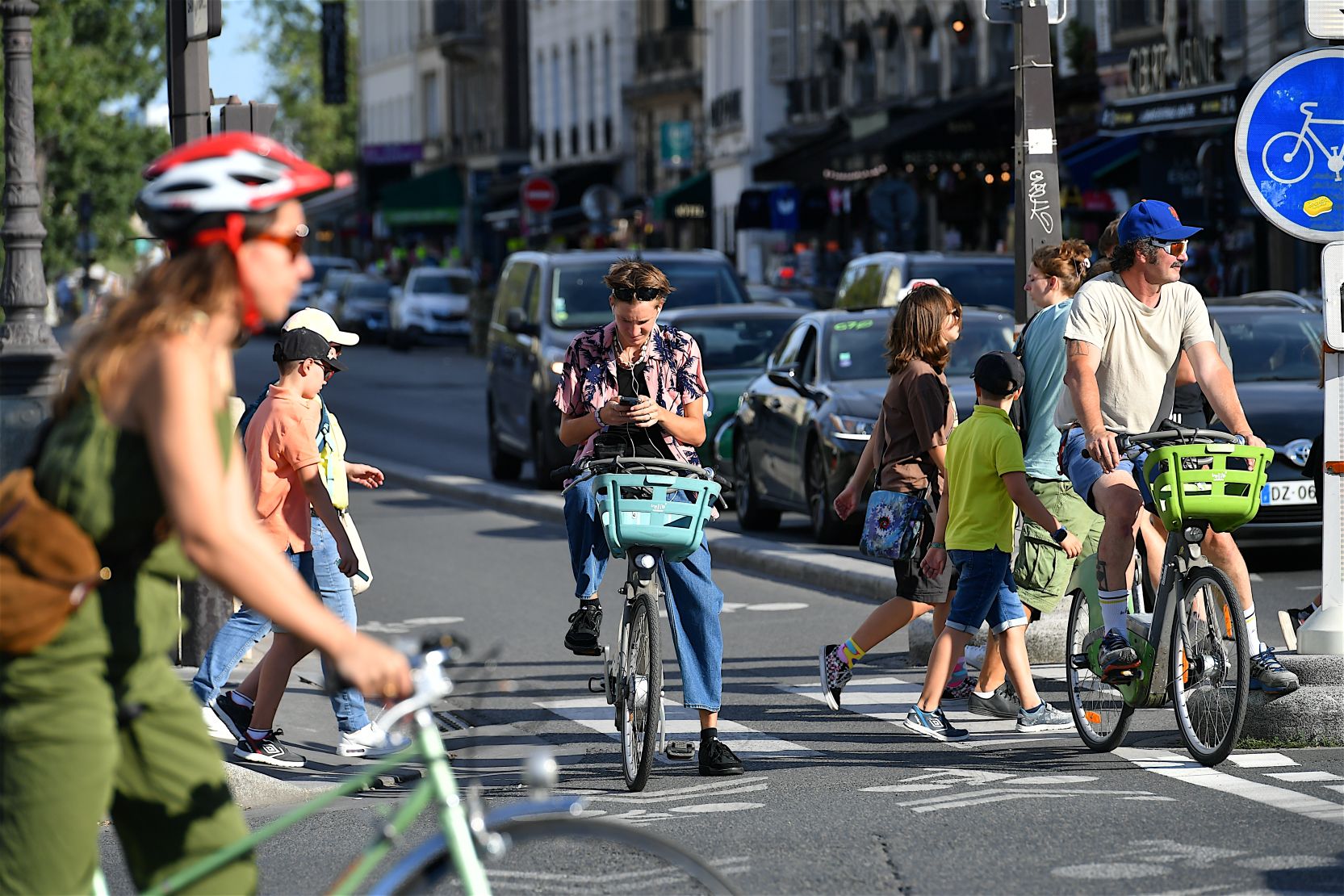
Picture a busy city street: cyclists navigating traffic, pedestrians crossing in a hurry, e-scooters weaving through narrow roads. For many, these daily journeys still come with hidden risks. The question is—how can cities better understand and prevent them?
This is where the SOTERIA project steps in.
Across Europe, SOTERIA has been testing a new generation of road safety solutions—from immersive virtual reality training for young road users to smart apps that suggest safer routes, and data-driven tools that predict where accidents are most likely to happen. But innovation alone is not enough. The real challenge is ensuring these solutions work in real life—and can be replicated elsewhere.
To answer this, SOTERIA deployed various solutions across four diverse cities and regions, each characterised by unique mobility patterns and challenges. By observing how people actually use these tools—and how cities respond—the project built a clear picture of their real-world impact.
The results tell a compelling story. In classrooms, students using Virtual Reality (VR) began to see traffic risks from a driver’s perspective, making safety lessons more memorable. On the streets, routing apps and safety nudges encouraged users to rethink their everyday decisions. Behind the scenes, advanced analytics helped cities identify risk hotspots before accidents happen. Together, these solutions are not just reacting to problems—they are helping prevent them.
Yet one lesson stands out above all: data is the backbone of safer mobility. The effectiveness of many SOTERIA tools depends on access to reliable, high-quality data. Even the most advanced technologies cannot deliver meaningful insights or support better decisions without it.
This directly shapes the question of transferability. Can these solutions work in other cities? The answer is encouraging—but not automatic. SOTERIA shows that solutions can scale thanks to their flexible, modular design. However, each new deployment must adapt to local realities— with factors such as data availability, infrastructure, and user behaviour all matter.
Equally important is the human factor. By involving city authorities, schools, cyclists, and everyday road users in the process, SOTERIA ensured that its solutions are not only innovative, but also trusted and usable. This co-creation process turned technology into something practical—something people can rely on.
In the end, SOTERIA is about more than tools or data. It is about rethinking how we design safer streets—combining technology, human behaviour, and local knowledge. And most importantly, it shows that with the right approach, solutions tested today can become tomorrow’s standard for safer, cleaner and more inclusive urban mobility.
References
SOTERIA (2026). Deliverable D4.3 – Solutions impact assessment. (The deliverable will be made publicly available on the SOTERIA website following approval by the European Commission.)
The piece has been authored by NOMMON, DEKRA and INTRA
- Log in to post comments