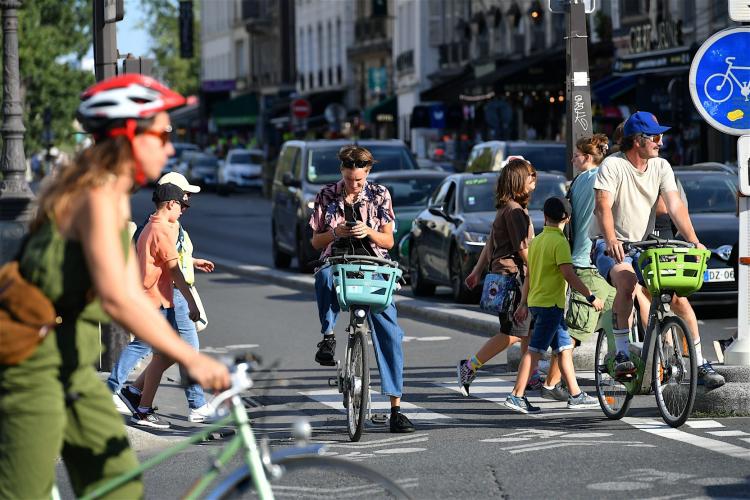
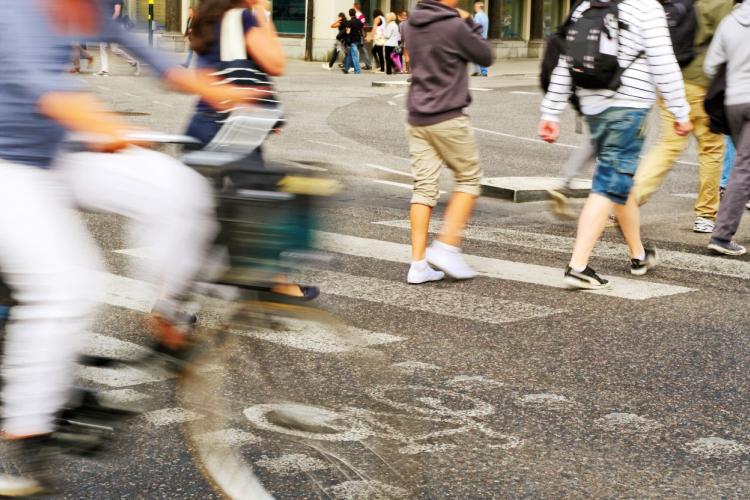
Picture a busy city street: cyclists navigating traffic, pedestrians crossing in a hurry, e-scooters weaving through narrow roads. For many, these daily journeys still come with hidden risks. The question is—how can cities better understand and prevent them?

How can cities turn safety ambitions into real impact? SOTERIA’s Safe City Certification offers a practical, data‑driven approach to improve urban road safety and protect vulnerable road users.
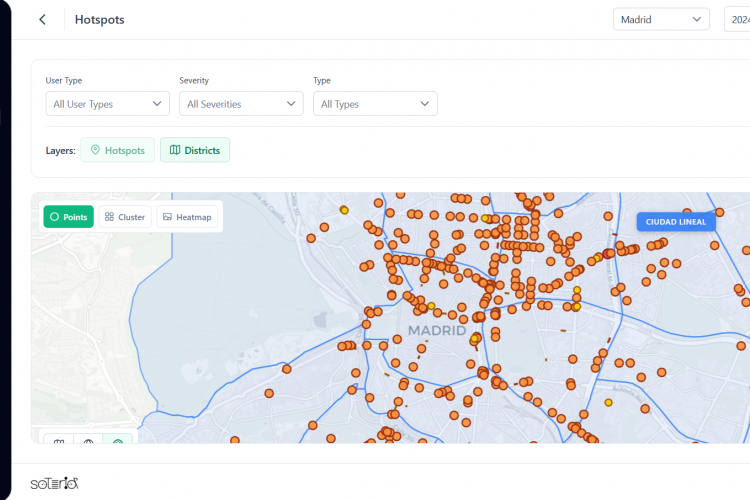
Most hotspot analyses still rely mainly on accident databases. This approach is useful, but it also comes with clear limitations: it only reflects recorded crashes, requires significant manual effort, and is typically updated only occasionally. More importantly, it leads to a reactive perspective—locations are flagged as risky only after accidents occur.
This naturally leads to a key question: how can we identify potentially unsafe locations before accidents happen?
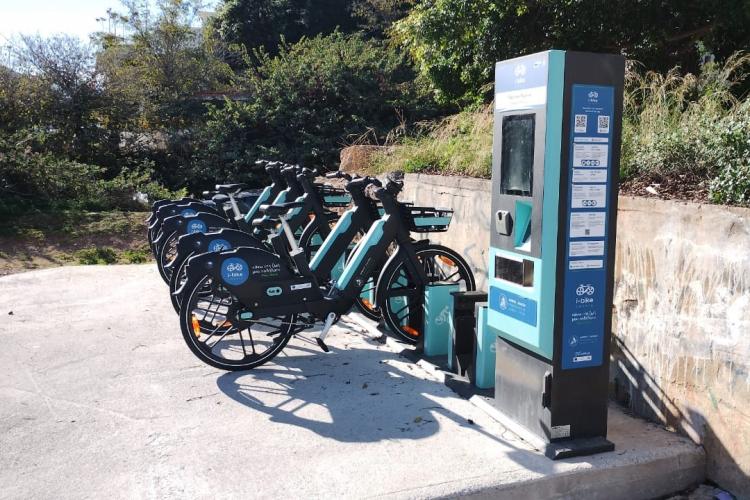
What if your daily commute could help prevent the next road accident? In Greece, the SOTERIA project has moved from a bold idea to a proven reality, transforming everyday routes in Chania and Igoumenitsa into data-rich road safety laboratories.
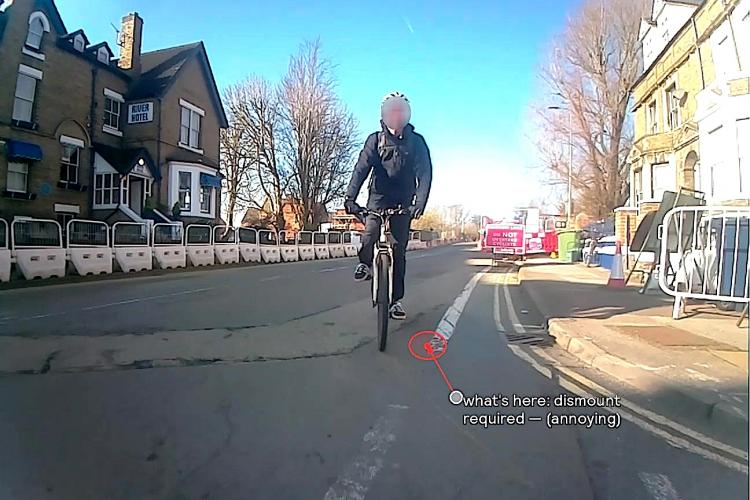
On Headington Road, the tarmac is half finished on the cycle lane. There's a lamppost where the lane should be.
A few miles away, on Woodstock Road, the cycle lane exists, but it's regularly parked on by van and lorry drivers. On London Road, it's the surface itself: potholes and cracked tarmac that push riders into traffic. At The Plain roundabout, one approach arm guides cyclists into the blind spot of left-turning vehicles.
But how does any of that reach the people who can actually fix it?

What if virtual reality could help adolescents understand traffic dangers before an accident happens? In Saxony, Germany, the SOTERIA project is combining immersive VR technology with a smart routing app to protect young road users.