
Teaching Gen Z to navigate safely – Saxony's VR approach to improve road safety
What if virtual reality could help adolescents understand traffic dangers before an accident happens? In Saxony, Germany, the SOTERIA project is combining immersive VR technology with a smart routing app to protect young road users.
Why Saxony?
With a cycling modal share of 18% and a pedestrian share of 26%, Saxony has a vibrant active mobility culture. But the risks are real: killed or severely injured cyclists have increased by 22% over the past decade and young people aged 10–18 have seen an 11% rise in serious injuries. This age group – no longer covered by mandatory traffic education but travelling longer distances independently – faces a critical safety gap.
Virtual reality meets accident prevention
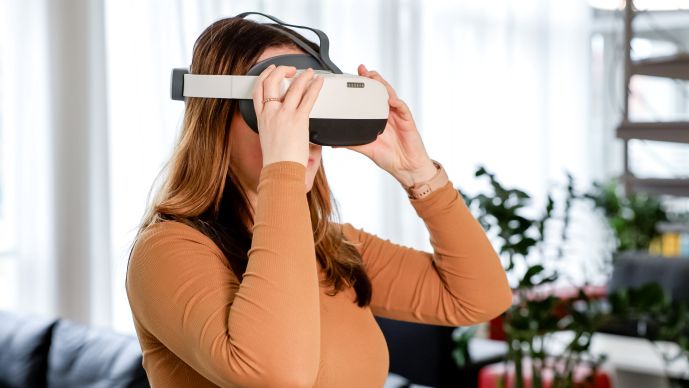
The Living Lab Saxony enhanced the established Fraunhofer IVI Accident Prevention Programme with an immersive VR module. Realistic accident scenarios are shown through two perspectives: first as a cyclist or pedestrian, then from the driver's seat of a car or truck. This dual-perspective approach helps pupils understand the visual obstructions and blind spots that contribute to serious accidents.
Pupils from grades 7 and 8 (aged 13–15) participated across secondary schools in Saxony, with Munich serving as a control group using the traditional programme without VR.
Safe and clean routing app
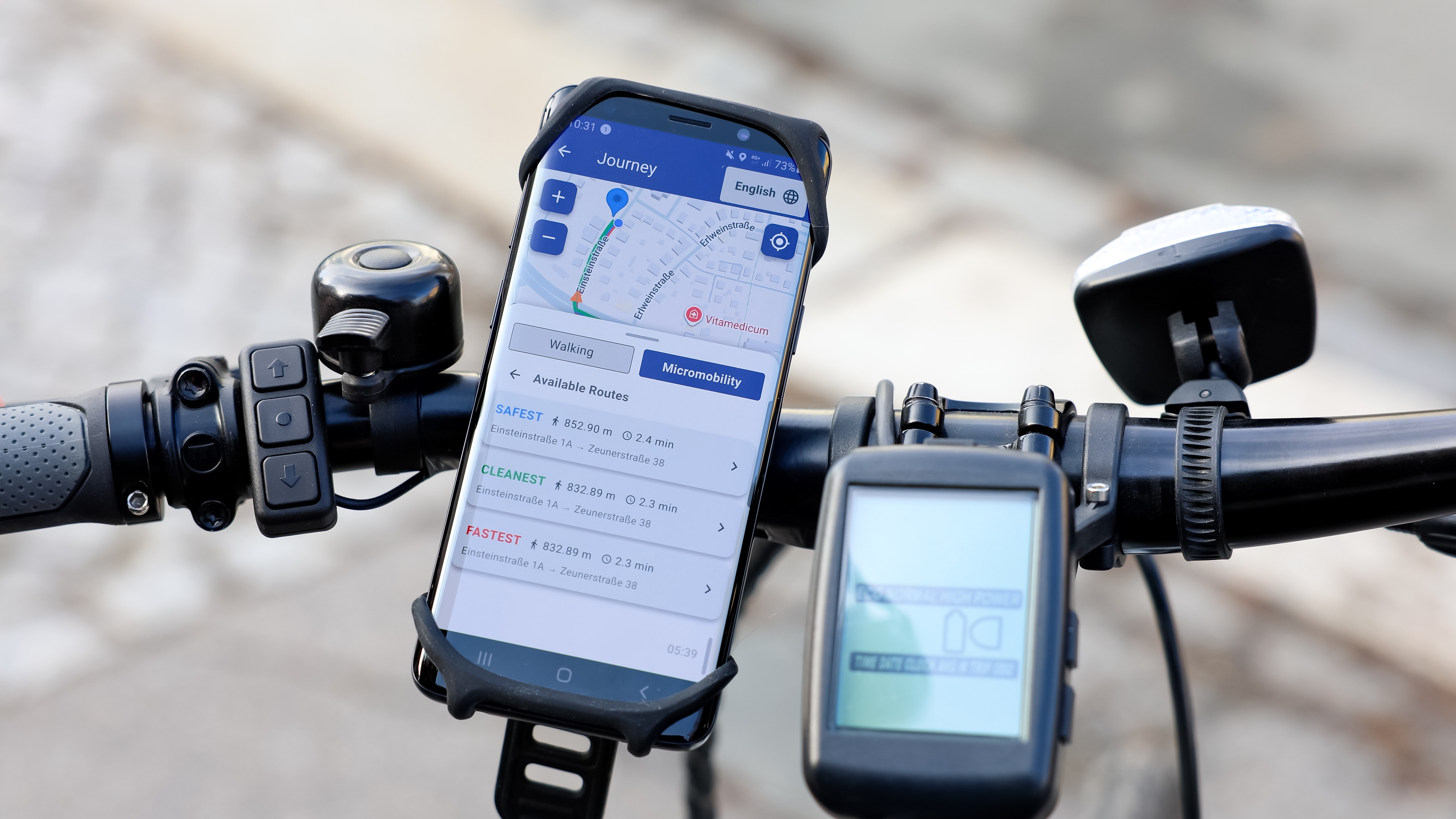
Complementing the VR training, the SOTERIA routing app helps cyclists and pedestrians choose safer routes. Key features include comparison of fastest, safest and cleanest options, real-time safety nudges at accident hotspots and pollution-aware routing based on air quality data in the city of Dresden.
What users told us
A total of 354 pupils provided feedback on the VR module:
- Over 90% rated the programme positively.
- 88% enjoyed learning through this method.
- Three out of four believe this approach will stay in their mind for a long time.
- Two-thirds stated they will pay more attention to road safety in future.
- Around half of VR users reported gaining new insights into the visibility challenges faced by drivers.
- Nearly half wanted to spend more time with VR – a strong indicator of its appeal.
The routing app was tested by 172 pupils in classroom sessions. Around half found the safety information helpful for route choice. Over 60% acknowledged that safest routes tend to be longer, but only 16% felt they were unreasonably long – users were aware of the trade-off in order to ensure safer routes.
Looking ahead
By letting young people experience danger virtually and equipping them with tools to navigate safely in the real world, Saxony's Living Lab shows how technology can bridge the gap between traffic education and everyday mobility. As the EU pursues its Vision Zero goal, innovative approaches like these are essential to making active mobility safe for the next generation.
The Living Lab Saxony is led by Fraunhofer IVI, with Munich serving as network city for comparative evaluation.
The piece has been authored by Fraunhofer IVI
- Log in to post comments