
Making way for the vulnerable road users: Netcompany is steering SOTERIA toward safer urban mobility
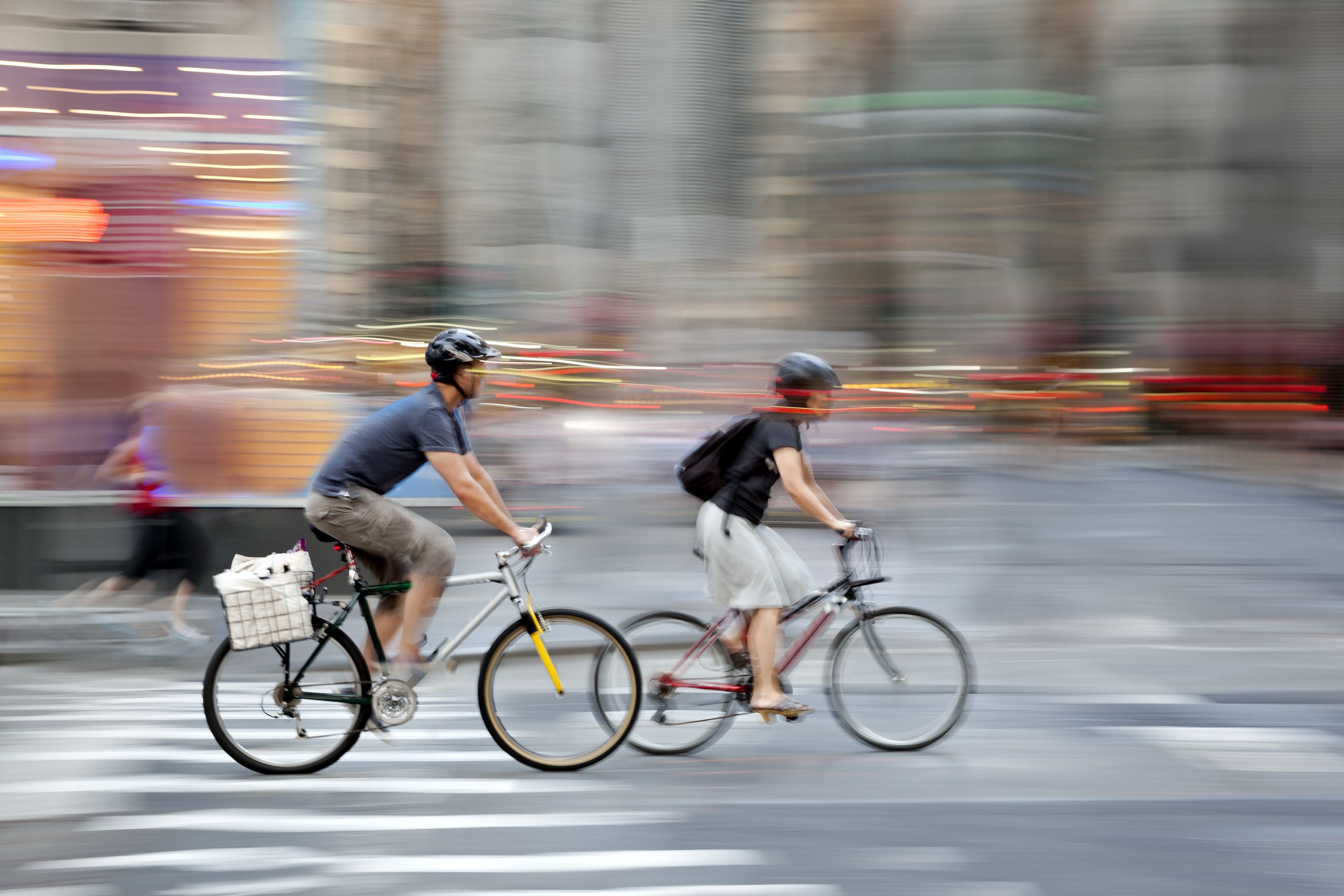
Cycling is on the rise across Europe. As more and more Europeans embrace this active alternative for travel over short distances, cities are being called to adapt. In October 2023, the European Commission (EC) took a bold step by completing and adopting a declaration for recognising cycling as a fully-fledged mode of transport.
By prioritising cycling in the European Union (EU) mobility policy, EU institutions and Member States are expected to increase financial investments to make cycling not only accessible but also safe. Of all types of road users, cyclists are the only road users among whom serious injuries and fatalities have increased over the past years.
A “safe system” for all
SOTERIA is grounded in a forward-thinking and powerful principle that accepts human error as inevitable. Nonetheless, the road transport system can be reimagined with human vulnerability in mind and should be operated to accommodate certain levels of human mistakes.
“Roads and roadsides, vehicles and speed limits as well as road use can become safer, so that if one fails, other parts of the ever-changing transport system still protect road users,” explains Dr Marina Georgiou, Project Manager with the Research & Innovation Development Department at Netcompany and adds: “The ‘safe system’ approach has been widely embraced by the transport community.”
Starting from competencies and vulnerabilities of humans
Concerns about safety are one of the biggest barriers to wider adoption of cycling and other micro-mobility options like e-scooters. Addressing these concerns is essential—not just for individual well-being, but for broader societal goals - like encouraging a shift away from private car use, reducing congestion and greenhouse gas emissions, improving public health, and creating more livable urban environments.
The most vulnerable road users—children, the elderly, and people with disabilities—have long been underserved by a transport system focused on cars. “SOTERIA takes a proactive, inclusive approach, involving stakeholders from across the mobility ecosystem to ensure that European roads become a safe, accessible, and attractive option for all,” says Marina Georgiou, a cyclist herself.
Toward a safer future
The EU aims to double the number of cyclists by 2030, with each person cycling an average of 312 km per year. SOTERIA also recognises the growing role of micromobility – including e-scooters, e-bikes and other light electric vehicles – in shaping the future of urban transport. Because in the end, whether it’s a schoolchild, a delivery rider, a commuter, or an active senior—every road user deserves to come home safely.
SOTERIA goes beyond identifying the causes of collisions and crashes. At its core, there is a holistic, data-driven and forward-looking approach to road safety. Predictive models and decision-support tools are developed to help public authorities and urban planners implement targeted solutions. The project also places strong emphasis on stakeholder engagement, involving citizens, policymakers and industry actors in co-creating inclusive and practical mobility strategies.
“By integrating digital technologies such as Artificial Intelligence (AI) and the Internet of Things (IoT), the SOTERIA project enhances situational awareness and responsiveness in urban transport systems—ensuring that safety is not reactive, but proactive and adaptive,” says Marina Georgiou. “This digital layer can transform how cities understand and respond to mobility challenges, laying the groundwork for safer roads.”
Coordinating a diverse and dynamic consortium
The success of the SOTERIA project is built on the strength of its multidisciplinary consortium, comprising 15 partners from across Europe. This carefully curated group of research institutions and universities, large, small and medium-sized entreprises (SMEs) as well as public authorities reflects the complexity of urban mobility challenges and the need for collaborative, cross-sector solutions.
Coordinating such a diverse group requires far more than traditional project management; it demands strategic leadership, the ability to align objectives across sectors and disciplines, and a deep understanding of cultural and institutional diversity. As the project coordinator, Netcompany plays a pivotal role in ensuring that all partners remain focused and engaged, navigating the intricacies of cross-border cooperation with clarity and purpose.
This collaborative model includes upholding Horizon Europe’s rigorous standards and reporting requirements, while maintaining momentum through effective communication, shared milestones and flexibility to adapt as the project evolves. From the onset, Netcompany is responsible for aligning the project’s vision with the EU’s expectations, ensuring that all partners are working toward common goals and that progress remains on track.
“Coordinating a Horizon Europe project is both a rewarding and demanding experience,” notes Marina Georgiou. “As the central figure in a multi-country, multi-partner initiative, the coordinator wears many hats – strategist, communicator, administrator and sometimes even diplomat and peacemaker!”
Taken together, the SOTERIA’s innovations are designed not only to be technically robust but also to deliver meaningful societal impact – ensuring they are scalable, inclusive and ready for deployment in diverse urban contexts across Europe.
The piece has been authored by Netcompany.
- Log in to post comments