
From vision to action: How Greek cities are mapping road safety in real-time
What if your daily commute could help prevent the next road accident? In Greece, the SOTERIA project has moved from a bold idea to a proven reality, transforming everyday routes in Chania and Igoumenitsa into data-rich road safety laboratories.
A journey of two phases
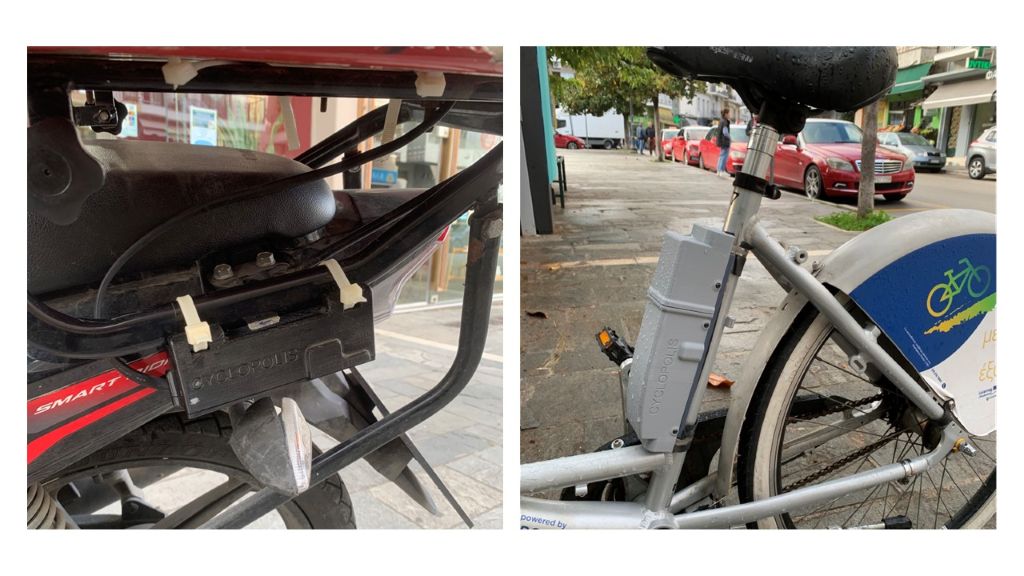
The project began by addressing an urgent need: protecting professional couriers. By installing advanced sensory kits on ELTA motorbikes, riders became active sensors, mapping real-world road conditions and identifying hazards that were previously invisible to data. This first phase provided essential insights into the physical well-being and safety of professionals who navigate the Greek urban road network daily.
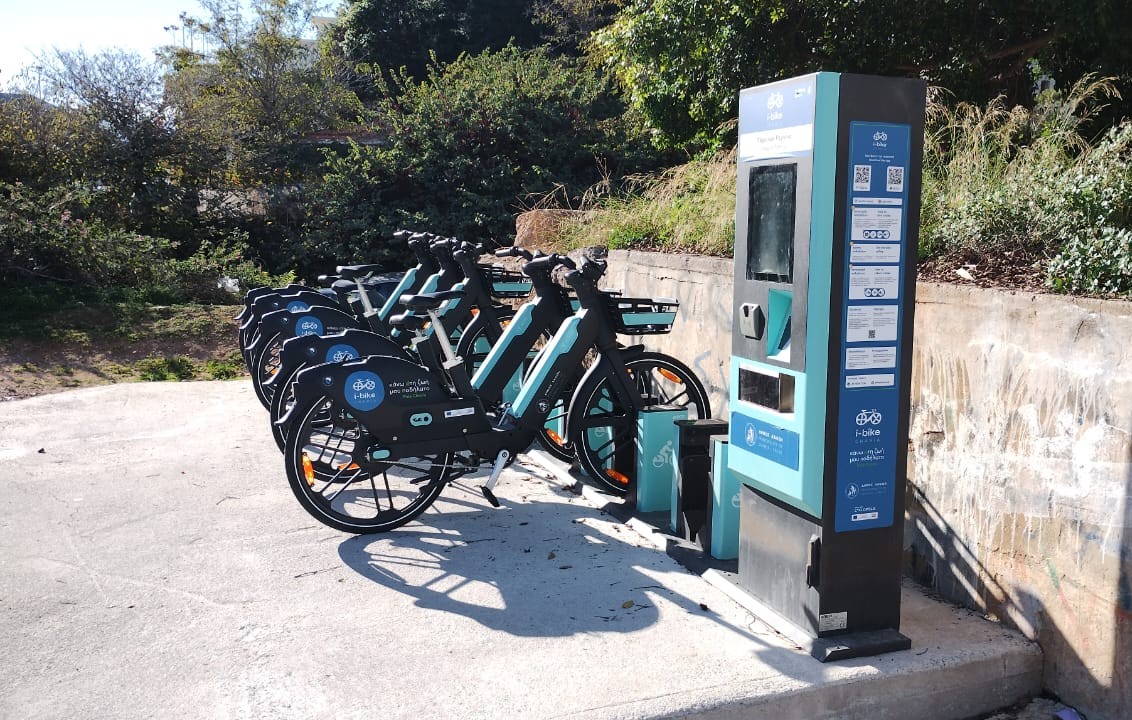
Building on these professional insights, the project successfully expanded its reach to the wider public. Through the Cyclopolis bike-sharing systems, shared bicycles were equipped with enhanced sensors to monitor both rider safety and urban air quality. This expansion ensured that the safety benefits of the project reached the vibrant cycling communities of Chania and Igoumenitsa.
Collaborative innovation and community feedback
Progress was driven by continuous interaction with the people who use the roads every day. Two major milestones defined this success:
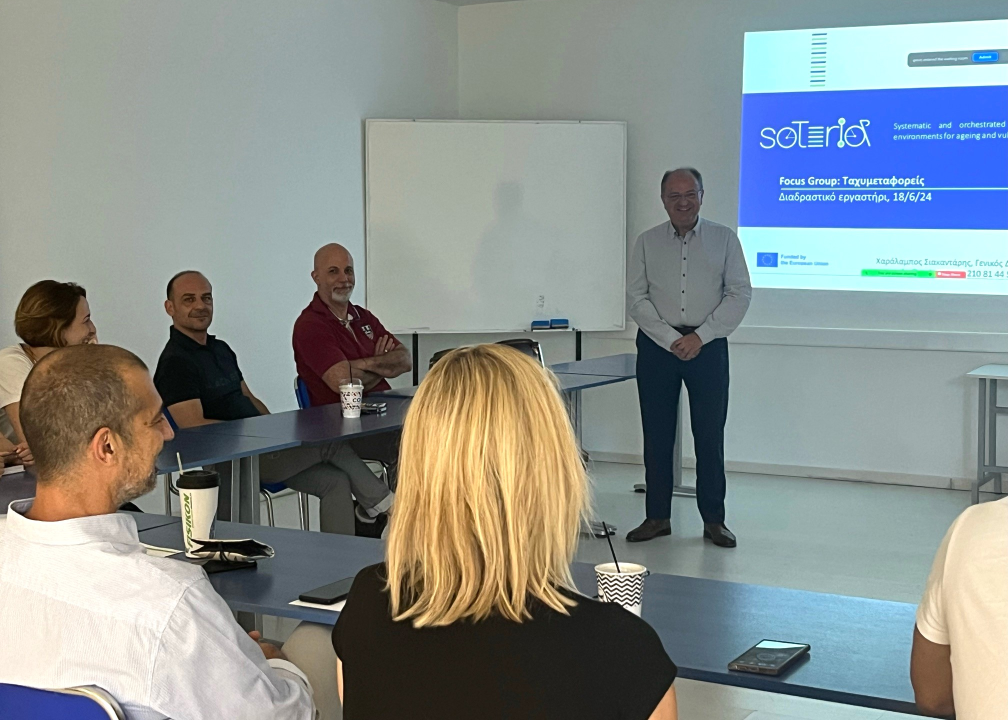
The Stakeholder Workshop in June 2024 brought together ELTA experts in quality assurance, network management, and traffic operations. This session identified the specific health and safety needs of delivery personnel, ensuring that SOTERIA app features, such as the Safe Routing Engine, are suitable for high-pressure working environments.
The Interactive Road Safety Workshop in September 2025 focused on the users of shared micro-mobility fleets. Participants engaged with real-world road safety maps and tested the developed routing tools, providing the critical feedback needed to refine the technology for everyday citizens and recreational cyclists.
Towards Vision Zero
As the project reaches its final stages, the impact is tangible. By turning both couriers and cyclists into mobile data collectors, the Greek Living Lab has created a practical safety framework. Insights regarding hazard validation in tourist areas and the identification of data gaps in coastal regions have been transformed into preliminary hazard maps.
These data-driven tools are now paving the way toward the European Union’s Vision Zero objective: reducing road transport fatalities to near zero by 2050. Through the cooperation of local authorities, professional riders, and the public, Chania and Igoumenitsa are leading the way to a safer future for all vulnerable road users.
This piece has been authored by Cyclopolis
- Log in to post comments